Good plumbing looks simple when you watch someone who has done it for years. Pipes line up, fittings seat with a quiet click, a faucet swings and seals on the first try. Most of that grace comes from repetition, but the rest comes from the right tools in the right hands. I have hauled buckets into crawlspaces, squeezed between joists with my shoulder in cobwebs, and clocked late nights soldering copper above my head. Along the way, I learned the difference between a tool you keep buying and a tool you’ll hand down. This is a practical tour through what earns a permanent spot in a plumber’s kit, from pipe cutters to press tools, with judgment calls that come from floors soaked and problems solved.
Why tools decide the outcome
The stakes are simple. Water ruins things fast, and people expect plumbing to disappear into walls and floors without drama. If a connection fails or a shut‑off valve seizes, the fix often cascades into extra hours and extra costs. The right tool shortens the job and reduces uncertainty. That matters to any plumber, and it matters to a plumbing company that needs predictable outcomes, fewer callbacks, and techs who can succeed without a second truck roll.
It also changes how you work. Tools dictate the sequence of tasks. If you own a reliable press tool, you can plan around live systems without draining entire branches. If your pipe cutter is blunt, you’ll spend your day dressing burrs and cursing crooked ends. Small details add up to smoother mornings and quieter phone lines.
Tape measure to torch: the backbone kit
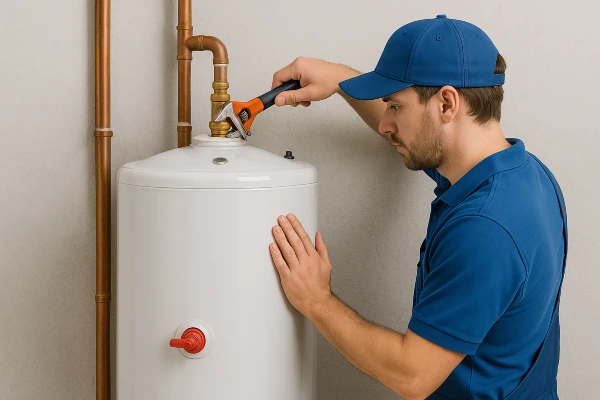
Everyone sees the headline tools, but the job runs on a core set that never leaves the bag. A 25‑foot tape, a torpedo level with strong magnets, pencil and Sharpie, headlamp with spare batteries, and a square will solve half your layout problems. I prefer a metal‑cased tape for crawlspace work, since plastic bodies crack in cold falls. A magnetized level saves time on steel pipe and boiler frames, and a headlamp keeps your hands free when you’re under a sink untangling spaghetti.
For hand tools, keep full‑jaw slip‑joint pliers, a pair of tongue‑and‑groove pliers that lock, a good adjustable wrench with smooth jaws, and a basin wrench. The basin wrench looks goofy until you need to reach a faucet nut behind a sink where only your fingertips fit. It turns a 40‑minute indignity into a five‑minute step, which is why every plumber keeps one even if it rides in the bottom of the bag for months. I added stubby screwdrivers https://theleanderplumber-company.com after too many encounters with vanity back panels and see‑through cabinetry. They earn their keep.
A compact butane torch with a reliable ignition beats a temperamental striker when you are soldering copper. For jobs in tight closets, a torch with a small, focused flame and a heat shield avoids scorching paint or insulation. Keep a spray bottle of water handy while sweating fittings near studs. It is not dramatic, but it has saved more than one errant ember from turning into a story.
Cutting pipe cleanly
Cutting is where neat work begins. Burrs, ragged edges, and ovalized ends all create leaks. Every material asks for the right cutter, and using the wrong one shows up in callbacks.
Copper tube cutters with sharp, replaceable wheels make crisp, square cuts. I keep two sizes: a compact one for behind a sink or inside a wall cavity, and a full‑size cutter with a smooth feed for straight lines. Too many plumbers crank down the wheel and score the pipe to death in one go. Better to tighten a quarter turn per revolution, easy on the wrists and kinder to the tubing. After the cut, deburr inside and outside. A reamer integrated into the cutter is fine, but a separate reamer does a cleaner job if you want proper flow and less turbulence.
For PEX, a ratcheting shear is worth it if you cut more than a few lines a day. Clean cuts slide into fittings without shredding O‑rings. Replace blades as soon as you see feathering on the cut edge. A $12 blade saves a $120 service call.
PVC and ABS can be cut with a miter saw, but I prefer a handsaw with a fine tooth count for control. Power miter cuts can melt edges if the blade is dull or you rush, and then you are back to squaring ends and scraping. A miter box helps, especially for apprentices learning to keep angles true. Fresh primer and cement need square faces; sloppy joints leak or blow apart under pressure tests. I also keep a cable saw for PVC in tight ceilings. It looks like a garage tool until you are between joists with a Wye staring you down.
Steel and cast iron ask for more bite. Reciprocal saws with bi‑metal blades work for steel, but a pipe snap cutter makes short work of cast iron. Snap cutters demand practice. You score the pipe evenly, mind the chain position, and squeeze with steady pressure. The first time you watch a perfect ring pop, you understand why old‑timers still carry them. For ductile iron in larger diameters, a cutoff saw with the right wheel and clear barricades keeps things safe and square.
Threading, soldering, and press fittings: matching method to material
There are three main joining families outside of plastic solvent welding: threads, solder, and press. Each has its place.
Threading black steel for gas lines or mechanical rooms is old‑school and still the right choice in many jurisdictions. A portable power threader with a clean die head saves shoulders. Keep cutting oil on your truck; running dry eats dies and produces rough threads that chew up fittings. I size‑check with a thread gauge and visually inspect for torn crests. If you do not own a threader, schedule shop time or rent, but build that into the estimate. Also, tape and dope are not interchangeable decorations. On steel gas threads, I use a high‑quality pipe dope rated for gas with PTFE tape as backing only when the code and manufacturer allow. Over‑taping splits female fittings, something you learn once.
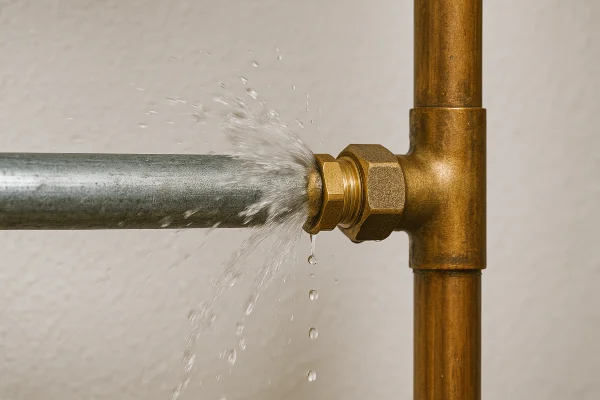
Soldering copper is lighter and elegant for 1‑inch and under. Heat control matters more than anything. Clean, flux, fit, and wipe. I dry fit complex assemblies, mark insertion depth with a pencil line, and recheck alignment before I strike the flame. If you are sweating near valves, pull or protect inserts and seals. Wiping the joint with a dry rag while the solder still flows gives that smooth ring you see in textbooks, but it also exposes pinholes. Don’t be afraid to redo a suspect joint on the spot. It is much cheaper than removing drywall later.
Press fittings have changed the tempo on job sites. With copper, stainless, and even black steel press systems, you can make reliable joints without open flame. The press tool head and jaw selection matter. Keep jaws clean, lubricated as recommended, and inspect O‑rings in the fittings. I have pressed systems hot, with live water trickling, when a shutdown wasn’t possible. It is never ideal, but it beats solder in those conditions. One difference the public doesn’t see is traceability. Many press fittings have witness marks and color coding that make inspections smoother. The downside is cost; fittings and the press tool represent a real investment. On commercial work where time is money and fire watch adds costs, the math favors press. On small residential jobs, solder still makes sense if you’re fluent with a torch.
The rise of PEX and how to do it right
PEX has earned its place. It runs fast, handles expansion, and pairs well with manifold systems that give every fixture a dedicated run. Two joining systems dominate: crimp and expansion. Crimp rings with copper or stainless sleeves work well if you use a calibrated gauge and crimp tool. Expansion systems use a specialized tool to expand both the pipe and the fitting, then rely on the material’s memory to shrink back. Expansion handles cold weather better because the material remains more flexible during install, but it requires the correct fittings and a bit more attention to temperature for recovery time.
The biggest mistake with PEX is treating it like rope. Support it. Use bend supports to prevent kinks around tight turns. Isolate from sharp metal edges. Keep it out of direct sunlight during storage; UV degrades it. When tying into copper or fixtures, mind the transition fittings and the local code requirements for stub‑outs and fire stopping. I have seen too many neat manifolds spoil into crooked finishes because the last six inches were an afterthought.
Valves, fixtures, and the fine print
A valve is a promise. If it seizes, you lose time. If it leaks, you lose credibility. I am picky about shut‑offs, especially angle stops. Quarter‑turn ball valves outperform multi‑turn stems in most residential work. For main shut‑offs, full‑port ball valves hold up better to debris. Always exercise new valves after install, cycling them open and closed to confirm seals and smooth action. It takes seconds and flags problems while you still have the system open.
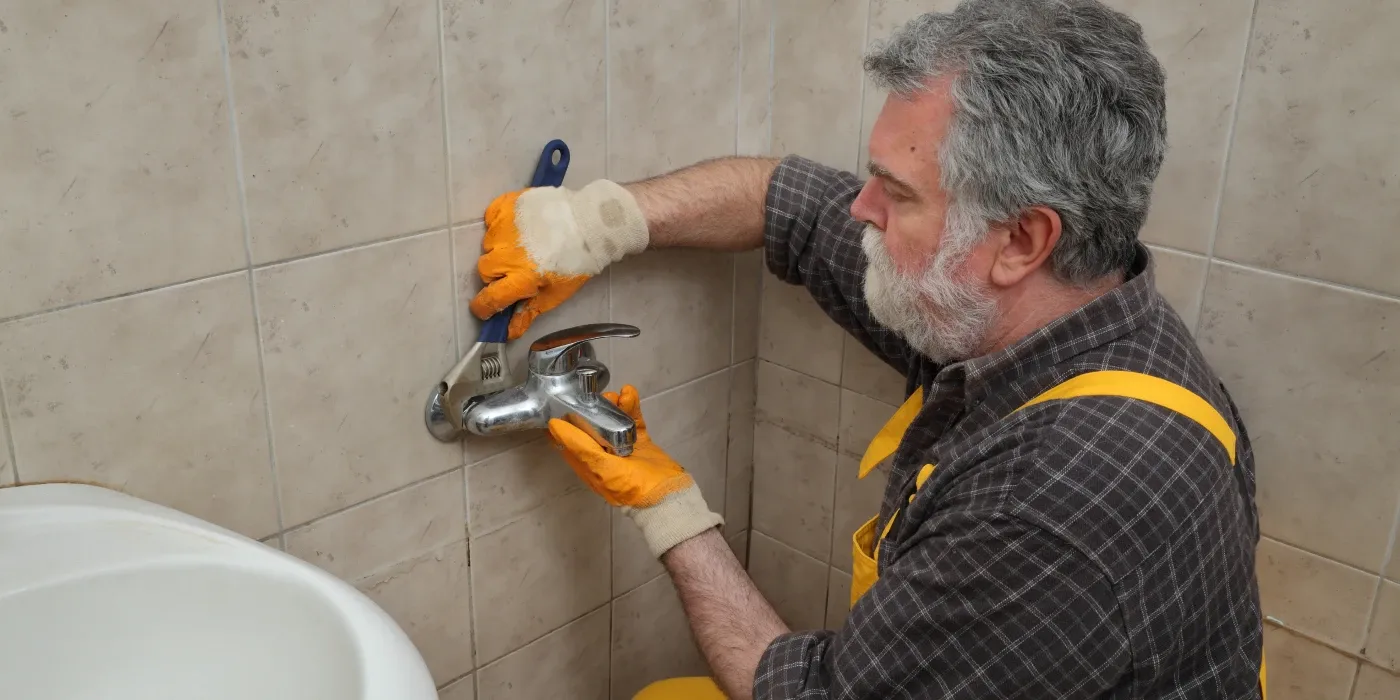
Fixtures ask for patience. When setting a toilet, I dry fit to confirm flange height and bolt alignment, then set with a quality wax ring or a waxless seal when the flange sits low or the temperature swings are extreme. When mounting faucets, I prefer metal mounting hardware over plastic. It stays tight. I also carry a handful of thicker rubber gaskets for tailpieces, since thin gaskets compress and then weep after a week.
Drains, snakes, and the art of clearing a line
Every plumber develops a relationship with clogs. Hand augers, drum machines, sectional machines, and water jetters cover different ground. For a bathroom sink trap, a 25‑foot hand auger reaches the first bend. For kitchen lines with grease, a drum machine with a 3‑ or 4‑inch cutter head does better. The trick with drum machines is to let the cable do the work. If you force it, you kink or snap. For main lines choked by roots, a sectional machine with sharp blades and a camera inspection tells the full story. Jetters shine on grease and sludge, pushing through soft build‑up and rinsing the pipe walls. They need proper backflow protection and a patient operator who meters pressure and water supply.
Cameras changed our trade. A color head with a built‑in transmitter lets you locate the blockage, mark the yard, and quote fairly. Customers understand pictures. They also accept trenchless options more readily when you can show a separated joint or a belly with standing water. I record video on bigger jobs, both for the plumbing company archives and for my own memory when I’m back a year later.
Press tools up close: what the investment buys
Press technology deserves its own corner here because it redefines a day’s work. A good press tool with interchangeable jaws and rings handles copper from 1/2 inch up to 2 inches, stainless and carbon systems, and even some proprietary composite lines. On a busy week, the time saved pays the monthly cost of the tool. The safety improvement is real. No open flame near insulation, paint, solvents, or dust. That matters in remodels with babies sleeping down the hall and in mechanical rooms where nearby sensors and controls hate heat.
My rule is simple: test presses like any other joint. Wipe the pipe, mark insertion depth, and align the fitting so the jaw can seat fully. After pressing, check the profile. Be cautious of mixed brands; many systems are not cross‑listed, and insurance carriers will notice if something fails. Press fittings are bulkier than soldered couplings, so think ahead in tight chases. Also keep backup power for your press tool, either spare batteries or a corded option. A dead battery at 4 pm on a school shutdown is how you make enemies.
Safety is a tool, too
People get hurt when they are rushing, tired, or missing one piece of gear. I keep cut‑resistant gloves and swap to nitrile only when dexterity trumps protection. Safety glasses stay on my head, not in the truck. A compact spill kit with absorbent pads and a drain cover has saved me twice in commercial settings where a small mistake could have fouled a hallway. On torch days, a fire extinguisher sits within reach. Not across the room, not buried in a bag.
Ladders deserve mention. Use the right height, and tie off in stairwells or awkward landings. I choose fiberglass over aluminum near electrical panels and well pumps. It’s heavier, but the trade‑off is obvious when you take that first step near live circuits. For confined spaces, a portable fan and a simple gas monitor pay for themselves the first time you smell something off. A plumber’s nose is good, but it is not a sensor.
Stock that keeps you moving
A truck or van is a rolling supply house if you set it up with intention. The best plumbing company I worked with had shadow boards for hand tools, labeled bins for fittings, and a shared checklist taped inside the door. Restock became a habit, not a chore. I keep half a dozen common stop valves, a selection of flexible connectors in known lengths, trap assemblies, repair couplings, and a small assortment of dielectric unions and transition fittings. A few lengths of 1/2‑inch and 3/4‑inch copper, PEX coils, and PVC lengths live on the rack. On service routes, that stock turns panic calls into same‑day solutions.
Pipe dope, PTFE tape, flux, primer, cement, and O‑ring lube stay in a sealed tote. It avoids fumes blending and keeps leaks from turning the van into a sticky mess. Teflon tape goes on threads with tension and direction in mind. Wrap clockwise as you look down the male threads, stretching slightly so it settles into the grooves. Two to three wraps is enough for most fixtures. More is worse.
Choosing quality without overspending
A good tool costs less than a bad one that fails mid‑job. That said, not every tool needs to be top shelf. I buy premium for press tools, threaders, pipe cutters, and hand pliers that I touch daily. Mid‑range for specialty wrenches and basin tools that see occasional use. Entry level only for sacrificial items like jobsite buckets, tarps, and disposable brushes. I replace O‑rings, wheels, and jaws by schedule, not by failure. Preventive care feels boring, but it keeps the calendar steady.
When comparing brands, I look at three points: warranty support I can actually use, parts availability, and ergonomics. A press jaw that bites the webbing of your hand after twenty joints will slow you down more than you think. A torch that sputters in the cold tests patience on an exterior line in February. When a tool hurts you, you use it less and do worse work.
Training apprentices through tools
Tools teach habits. When I hand an apprentice a pipe reamer and stand over the first few cuts, I am teaching discipline. When I let them fight a crooked cut and then explain why the press didn’t seat, they remember. A plumbing company with a small bench of eager learners should build tool time into the schedule. Assign a few mock ups: a shower valve set at height, a small manifold with equal lengths, a copper offset tucked between studs. It burns through a handful of fittings and two or three hours, and it returns in less than a week in fewer mistakes and faster installs.
Label shared tools. Set return habits. Nothing strains a team like a missing press jaw or a lost camera head. Shared responsibility matters as much as skill.
When a simple tool beats a fancy one
Every trade adopts new technology, and plumbing is no different. Press tools and PEX are now mainstream. Still, a few old tools keep winning.
A simple mirror on a telescoping handle finds leaks behind fittings and lets you inspect a solder joint without contortions. A chalk line snaps long runs for trenching or for pipe racks. A carpenter’s pencil marks wet pipes better than a fine marker. A wooden dowel or a brass drift helps seat stubborn rubber couplings without cutting into them. These cost little, and they solve real problems.
I carry a two‑foot piece of soft copper, 1/2 inch, with flattened ends drilled for screws. It becomes a quick hanger, a temporary tie‑back, or a protective guard around fragile lines during demolition. No catalog sells that as a product. You learn to improvise because every mechanical room and crawlspace writes its own rules.
Estimating with tools in mind
Tools change the bid. If I plan to press a boiler room, I price fittings higher but labor lower. If threading is required by spec, I build in time for set‑up, oil, cleanup, and die maintenance. A plumbing company with standardized estimating templates should include line items that reflect method choice. Otherwise, press looks expensive and threading looks cheap until the hours stack up. For service calls, ultrasonic leak detectors and thermal cameras help pinpoint problems faster, which saves enough time to justify the equipment. Clients notice accuracy more than sizzle. When you diagnose quickly and fix cleanly, repeat business follows.
A short checklist for the van door
- Verify torch, press tool, and drill batteries are charged, and pack spares. Restock common fittings, valves, and consumables before leaving the shop. Inspect cutters and reamers; replace worn wheels and dull blades. Confirm safety gear: glasses, gloves, extinguisher, first aid, and spill pads. Load camera, locator, and at least one working drain machine for service routes.
What separates a tidy job from a headache
Clean cuts, square joints, and proper supports are the visible signs. Pressure testing is the unseen one. I test in stages whenever possible. Air testing for drains at modest pressures reveals errors without water damage. Water pressure tests on supply lines catch weeping joints before walls close. Marking and labeling manifolds and valves adds minutes now and hours saved later. It helps the next plumber, which might be you in two years.
Communication matters too. Explain to the client why you choose a method. A plumber who says, we are using press fittings today because of the live lines behind this wall, comes across as competent and thoughtful. A plumbing company that trains techs to have those conversations builds trust along with systems.
The work behind the walls
Plumbing rarely gets the spotlight, but every clean hand‑washing, every quiet shower, every basement free of sewer gas hints at the quiet work done with blades, wrenches, and presses. From pipe cutters that make true edges to press tools that click reassurance into copper, the essentials are the difference between a fix and a fix that lasts. The tools in your hands shape the day, but the judgment behind them shapes the years. If you choose well, care for your kit, and keep learning, the work gets lighter even when the pipe doesn’t.
THE LEANDER PLUMBER - COMPANY 1789 S Bagdad Rd #103, Leander, TX 78641 (737) 530-8021